EU Projects

EU Projects

Discover the FutureForward MOOC: Your Easy Start with Artificial Intelligence

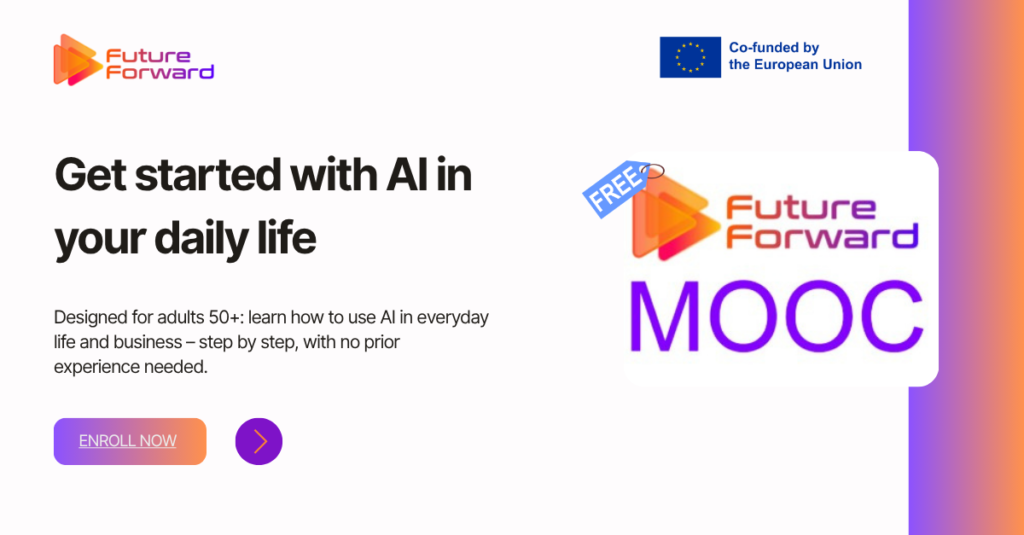
We are excited to announce the launch of the FutureForward MOOC – a free, user-friendly online course designed specifically for adults aged 50 and over who want to understand and start using Artificial Intelligence (AI) in everyday life. This course is not about complex code or technical jargon. Instead, it offers a clear, accessible, and practical introduction to AI, with real-life examples, step-by-step guidance, and engaging animations that make learning simple and enjoyable. The FutureForward MOOC is made up of 6 modules, each carefully designed to help you explore AI at your own pace. Module 1 – Introduction to Artificial Intelligence Find out what AI really is and how it’s already part of your daily life – from online searches to media recommendations. Module 2 – How Artificial Intelligence Works Understand, in simple terms, how AI learns from data and makes suggestions or predictions. No technical background needed! Module 3 – Benefits and Risks of AI Discover how AI can help with everyday tasks, while learning to protect your privacy and spot misinformation. Module 4 – Types of AI Tools Explained Learn about different AI tools, from digital assistants to image generators, and how to choose the right one for what you need. Module 5 – How to Access and Use AI Tools Step-by-step guidance on how to start using AI tools: how to write good prompts, adjust settings, and understand the results. Module 6 – AI Tools in Practice: Examples and Case Studies See real examples of AI in action – helping with communication, learning, daily planning, and more. In addition to the main modules, the course includes a series of short, animated Use Cases that show how AI can support you in: Translating texts Planning a trip Detecting scams Writing clearer emails Setting reminders and more Each video walks you through one task in a simple, safe, and relatable way. Whether you are curious about AI, want to feel more confident using new technologies, or are simply looking for ways to make daily life easier, the FutureForward MOOC is a perfect starting point. No prior knowledge needed Learn at your own pace Short, interactive units Quizzes, summaries, and practical tasks Subtitles and transcripts included Accessible on phone, tablet, or computer The English version of the FutureForward MOOC is now available online here.Other language versions (including Spanish, Catalan, Italian, German, and Czech) will be published soon — stay tuned!
EU Projects

GreenClusivity – Second Project Meeting in Bratislava

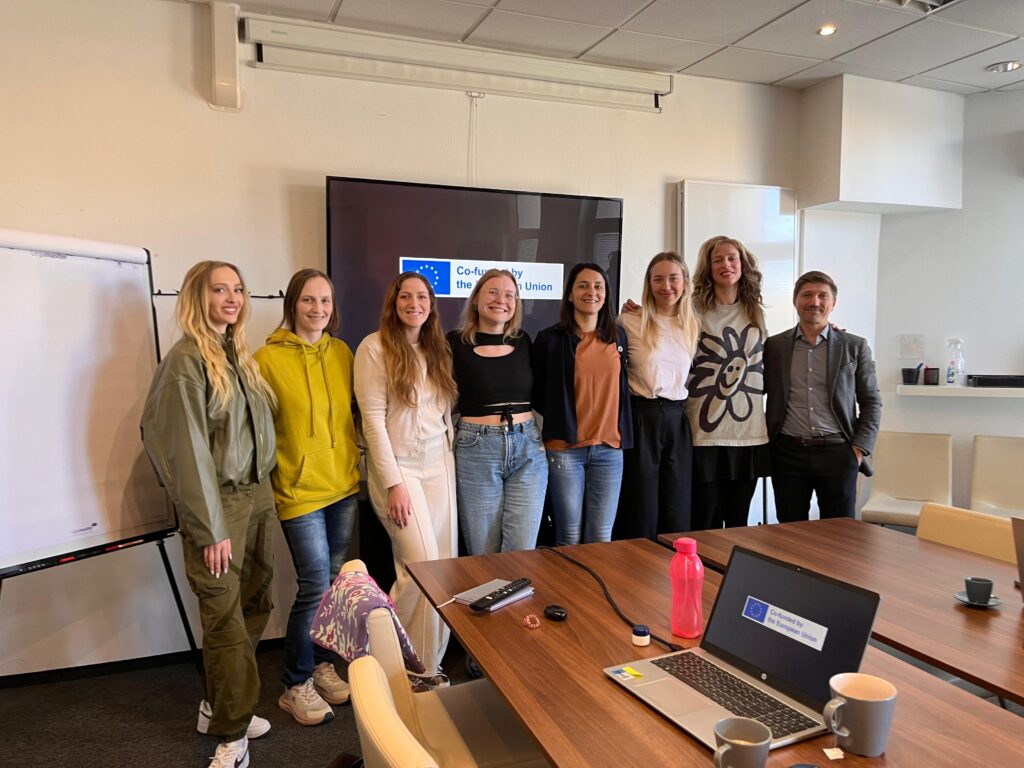
The partners of the GreenClusivity – Ecology without Gender Boundaries project met in Bratislava on 8–9 April 2026 for the second Transnational Project Meeting (TPM2), hosted by EnviroStopa. The meeting was coordinated by GIC NORA, which leads the overall implementation of the project and ensures alignment across all work packages. Representatives from EnviroStopa, Learnable, and Czech Women’s Lobby also took part in the discussions. A key focus of the meeting was the finalization of the desk research report, expected by the end of April 2026. The report explores the connections between gender and environmental issues through an interdisciplinary perspective, combining insights from sociology, ecofeminism, environmental politics, and cultural analysis. It is structured across three interconnected levels: Individual level, focusing on everyday behaviours (such as waste management, food consumption, fashion, and mobility), with particular attention to the eco gender gap, which highlights differences in environmental attitudes and engagement between men and women National level, addressing policy and institutional dimensions, including gender representation in decision-making and the development of more gender-responsive environmental policies Global level, with a focus on the European context, analysing broader socio-environmental dynamics such as migration and environmental crises, as well as strategies for adaptation and resistance Following its completion, the report will be translated into all partner languages. In parallel, partners are developing infographics based on selected topics from the report to support dissemination. Czech Women’s Lobby is leading the development of the Policy Paper, building on the evidence collected in WP2. The document will provide: policy recommendations aimed at decision-makers guidance on integrating gender perspectives into environmental strategies support for inclusive and sustainable policy development The development of the GreenClusivity Handbook for Educators was a central topic of the meeting. The handbook will serve as a practical guide for educators, linking environmental and social equality themes through: key environmental facts and insights analysis of the connections between ecology and gender equality examples from science and research, including the impact of women’s underrepresentation in STEM interactive, non-formal learning activities (e.g. drama methods, Design Thinking, video-based learning) exercises involving artificial intelligence tools, aimed at reducing the digital gender gap Each partner organisation will contribute 15 exercises, supported by background information to facilitate implementation. A pilot testing phase, involving educators and young adults, will be further defined and discussed during the next project meeting. The meeting concluded with a recap of key decisions and next steps. A short video reel was recorded during the meeting and will be published soon on the project’s Instagram channel. Link: https://www.instagram.com/greenclusivity/ For more information about the project, visit the official website (here).  

EU Projects

iStream Transnational Course in Krakow

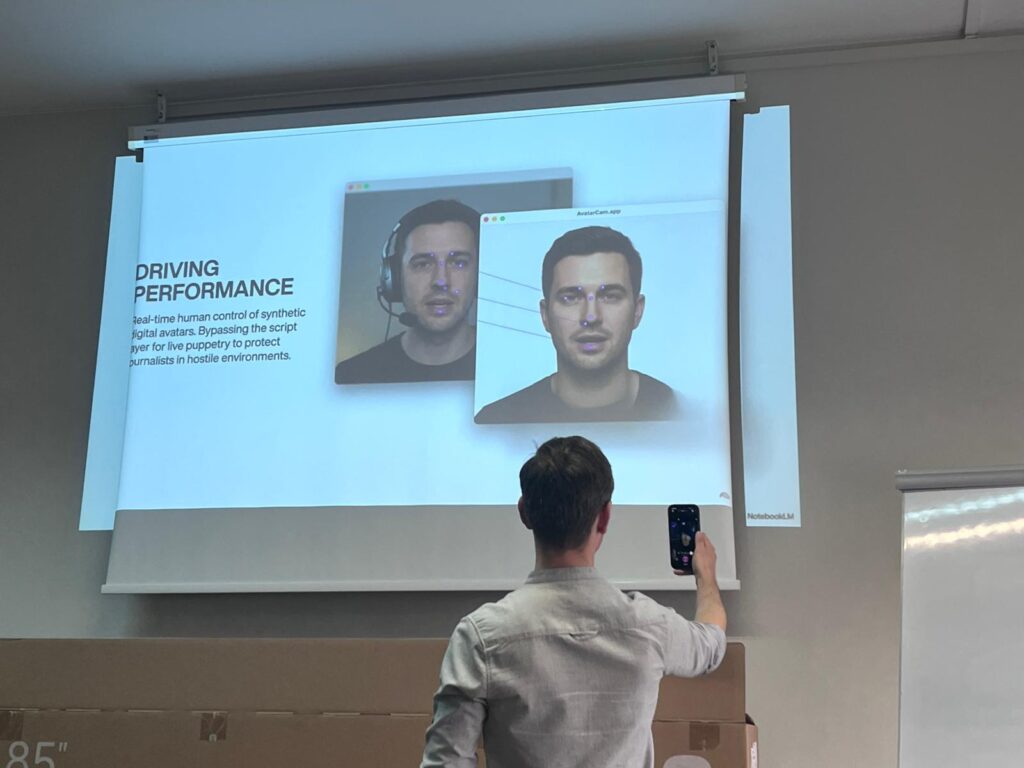
From 23 to 27 March 2026, partners of the iStream project gathered in Krakow, Poland, for an intensive training programme hosted by the University of the National Education Commission (UKEN). The mobility combined theoretical insights, hands-on experimentation, and collaborative reflection, focusing on the evolving intersection of artificial intelligence, immersive technologies, and media innovation. A Deep Dive into AI and Synthetic Media The training opened with a thought-provoking lecture on the “synthetic world,” exploring how deepfakes, chatbots, and generative AI are reshaping human interaction and media ecosystems. This session set the conceptual foundation for the week, encouraging participants to critically reflect on the ethical, social, and professional implications of AI-driven environments. Participants then engaged in practical sessions such as “The Persona Machine”, which introduced methods for designing and governing virtual media identities, and “Synthetic/Captured”, focusing on hybrid workflows for immersive environments. These sessions highlighted how AI and spatial computing are transforming storytelling and content creation. Hands-On Learning in Innovative Spaces A key strength of the training was its experiential dimension. Activities held at FabLab Małopolska enabled participants to explore digital fabrication and creative prototyping, bridging the gap between theory and application. The visit to the Wesoła Immersive – New Media Art Center further enriched the experience, offering insights into how immersive technologies are used in artistic and cultural contexts. This exposure demonstrated the potential of XR environments not only in education but also in creative industries and public engagement. Designing Immersive Learning Environments Another central focus of the programme was the design and implementation of immersive labs. Sessions explored what an effective immersive learning space should look like, combining technological infrastructure with pedagogical strategies. Participants also examined the integration of voice assistants in virtual reality and discussed how interactive systems can enhance engagement and user experience in immersive environments. Empathy, Engagement, and Future Skills One of the most impactful sessions addressed “immersive empathy at scale,” presenting research on how audiences perceive and emotionally engage with immersive content. This highlighted the importance of human-centred design in digital innovation. To stay updated on project developments, you can visit the project website, the Facebook Page and LinkedIn page.

EU Projects

Building the foundations for Digital and Green Employability: the DIGEM project

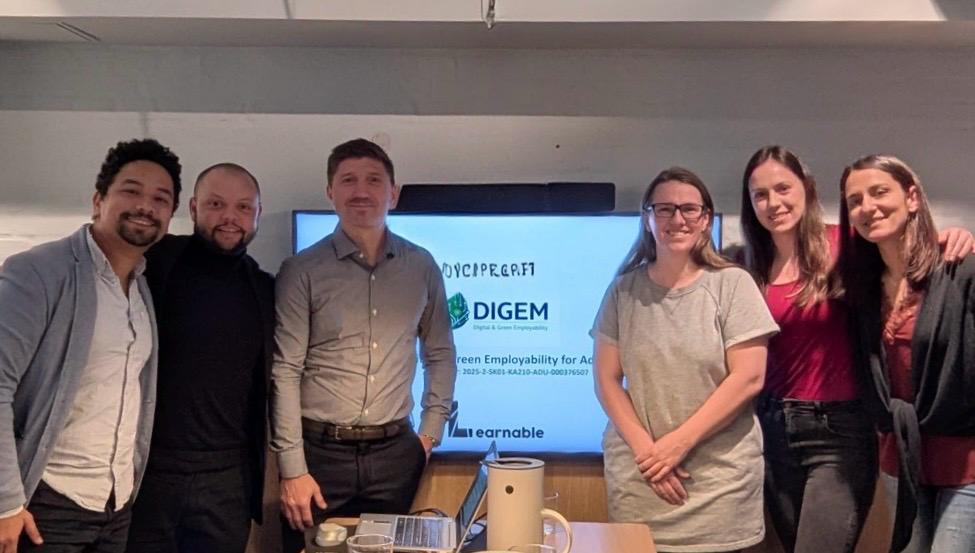
As the twin transitions—digital transformation and the green economy—rapidly reshape the European labor market, adult learners and job seekers face a double challenge. They must not only navigate complex digital tools but also understand how to apply them sustainably. With the DIGEM (Digital & Green Employability for Adults) project officially underway, our consortium has been working behind the scenes to map out exactly what skills adult educators and job seekers need most right now. Before launching our official learning tools, we are diving deep into existing European frameworks and national realities across Slovakia, Denmark, and Italy to build a rock-solid foundation. The Core Pillars: AI, Green Skills, and Digital Well-being The recent preparatory work and partner consultations have highlighted three critical areas where adult job seekers (particularly those aged 25–35) need immediate support: Practical AI Literacy: Artificial Intelligence is no longer a future concept; it is actively changing how resumes are screened and how daily workplace tasks are executed. Our focus is on demystifying AI tools so adults can leverage them to improve their employability. Eco-Responsibility in Tech (Green Competences): Digital growth shouldn’t come at the cost of the planet. We are looking at “Green Digital” principles—helping learners understand the carbon footprint of digital data, cloud storage, and ICT usage, and how to adopt sustainable digital habits. Digital Well-being: Thriving in a digital economy requires resilience. Teaching adults how to maintain a healthy balance, protect their data privacy, and avoid digital burnout is just as important as teaching them how to code or use software. What’s Next? The insights gathered during this research phase are directly feeding into the blueprint of our primary project result: the Sustainable Digital Skills Toolkit. In the coming months, we will begin developing an interactive, web-based platform featuring self-assessment tools and targeted resource navigation designed to guide adults directly toward future-ready competencies. Stay Connected: Are you an adult educator, NGO worker, or job seeker interested in the intersection of digital tech and sustainability? Follow our journey! Follow our official updates on LinkedIn Look out for our upcoming project profiles on the EPALE platform, where we will be actively sharing detailed research reflections.  

EU Projects

Why research skills matter for students in today’s world

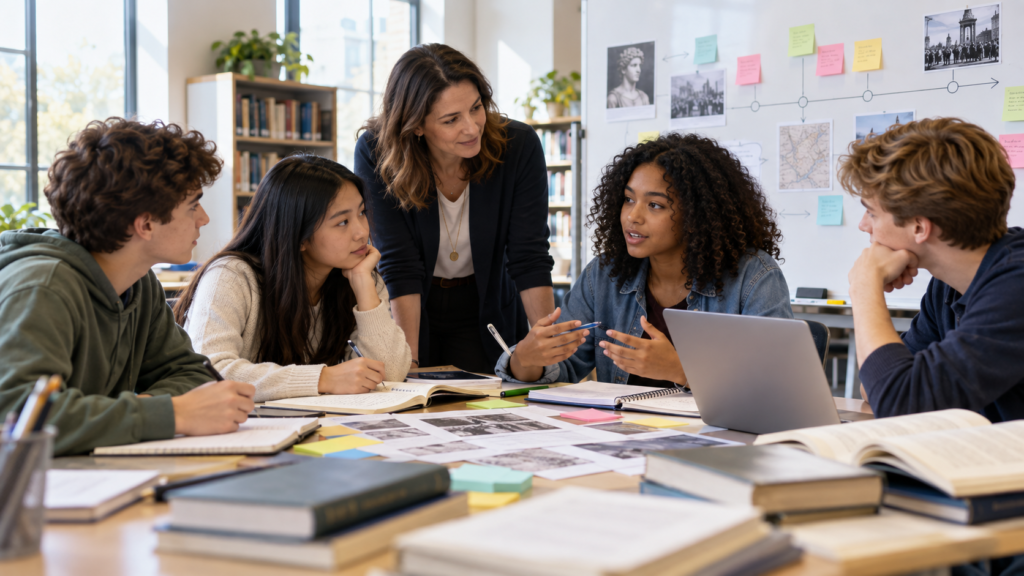
Young people today have access to an enormous amount of information. The real challenge is no longer simply finding it, but understanding which sources are reliable, comparing different perspectives and drawing conclusions based on evidence. This is why learning research methodology is increasingly important in secondary education. Research teaches students how to start from a question, collect and organise information, analyse evidence and communicate their findings. These skills support critical thinking and help young people become more independent learners. They are particularly valuable in today’s digital environment, where information circulates rapidly through websites, social media and AI-based tools. Knowing how to check sources, distinguish facts from opinions and question unsupported claims helps students navigate this environment more consciously. Humanities-based research also gives students the opportunity to investigate topics related to society, history, culture and their communities. Through interviews, surveys, document analysis or other research activities, students learn that complex questions often require different perspectives and careful interpretation. Bringing RESEARCH to schools: developing key competencies and promoting participation in a democratic society, an Erasmus+ Cooperation Partnership in School Education is developing materials giving teachers practical tools and enabling students to develop research, critical thinking, digital, cooperation and communication skills. If you would like to learn more about the project or explore and test the materials as they become available, you can follow its activities through the project channels: the website and the Facebook page.

EU Projects

D-Green Project – Kick-Off Meeting in Pesaro, Italy

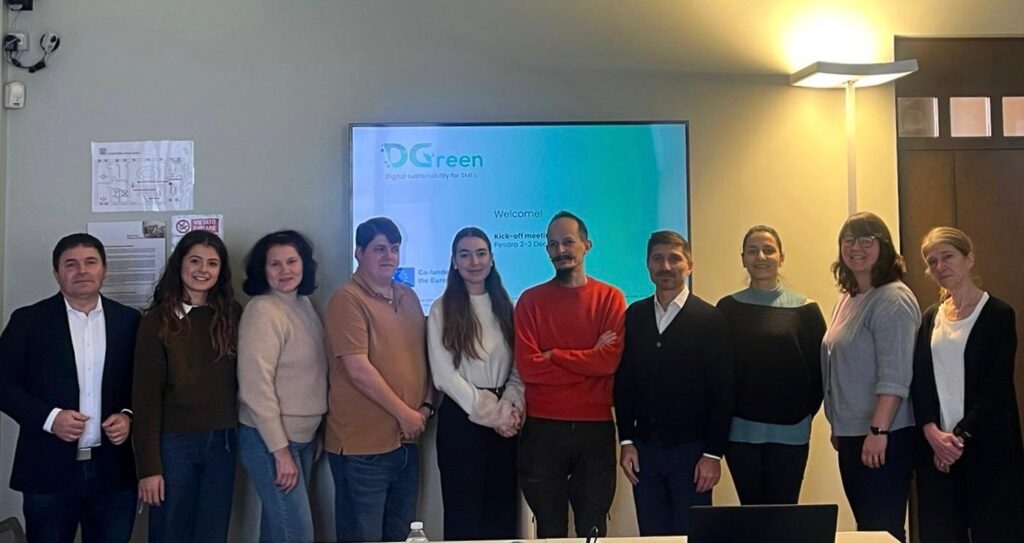
The Kick-off meeting of the D-Green Project took place on 2–3 December 2025 in Pesaro, Italy, gathering all project partners for the official launch of project activities. The initiative aims to support SMEs in reducing the environmental and social footprint of information and communication technologies (ICT) by improving the effectiveness and sustainability of ICT implementation strategies. Hosted by Assindustria Consulting, the project coordinator, the meeting enabled partners to align on common objectives, implementation strategies, and expected outcomes. Each organisation introduced its expertise and contribution to the project, demonstrating a strong multidisciplinary partnership across Europe. The agenda focused on the presentation of the project Work Packages, including: WP2 – D-Green Handbook, providing guidelines and knowledge to support sustainable digital transition WP3 – D-Green Backpack, developing innovative tools to promote environmental awareness in ICT adoption WP4 – Dissemination and Communication, ensuring visibility and engagement among key stakeholders   Partners also reviewed project management procedures, quality assurance measures, and the coordination of upcoming activities to ensure smooth and effective progress throughout the implementation period. The meeting concluded with a recap of next steps, complemented by informal networking moments including a shared dinner in Pesaro’s historic centre.

Scroll to Top