Young people today have access to an enormous amount of information. The real challenge is no longer simply finding it, but understanding which sources are reliable, comparing different perspectives and drawing conclusions based on evidence.
This is why learning research methodology is increasingly important in secondary education.
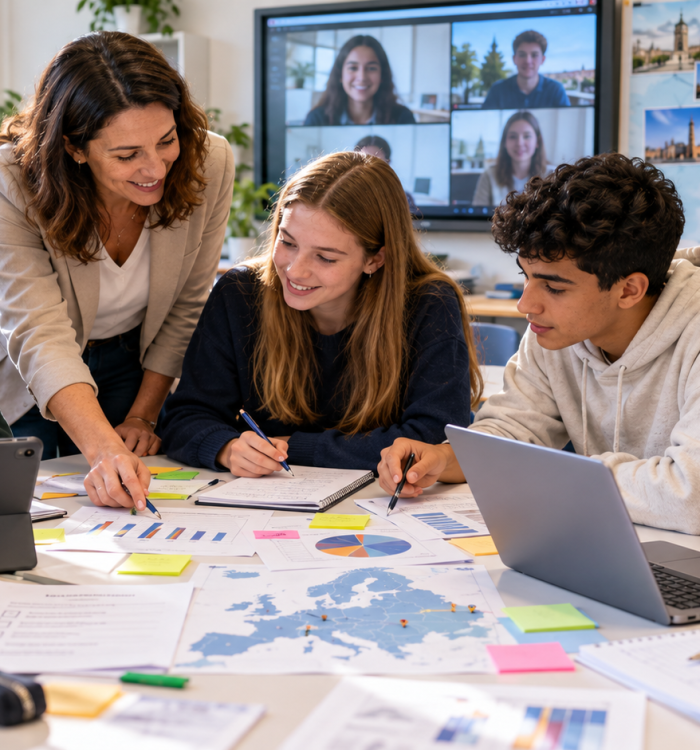
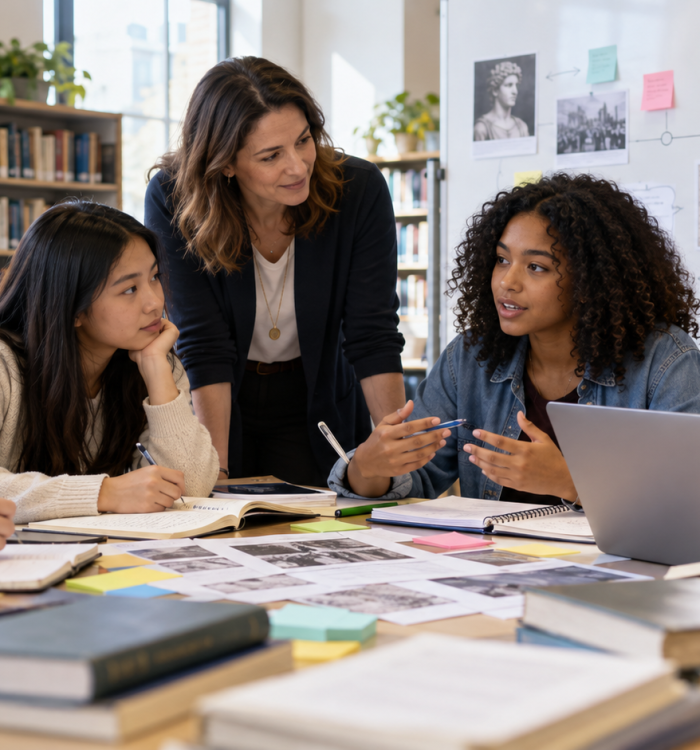
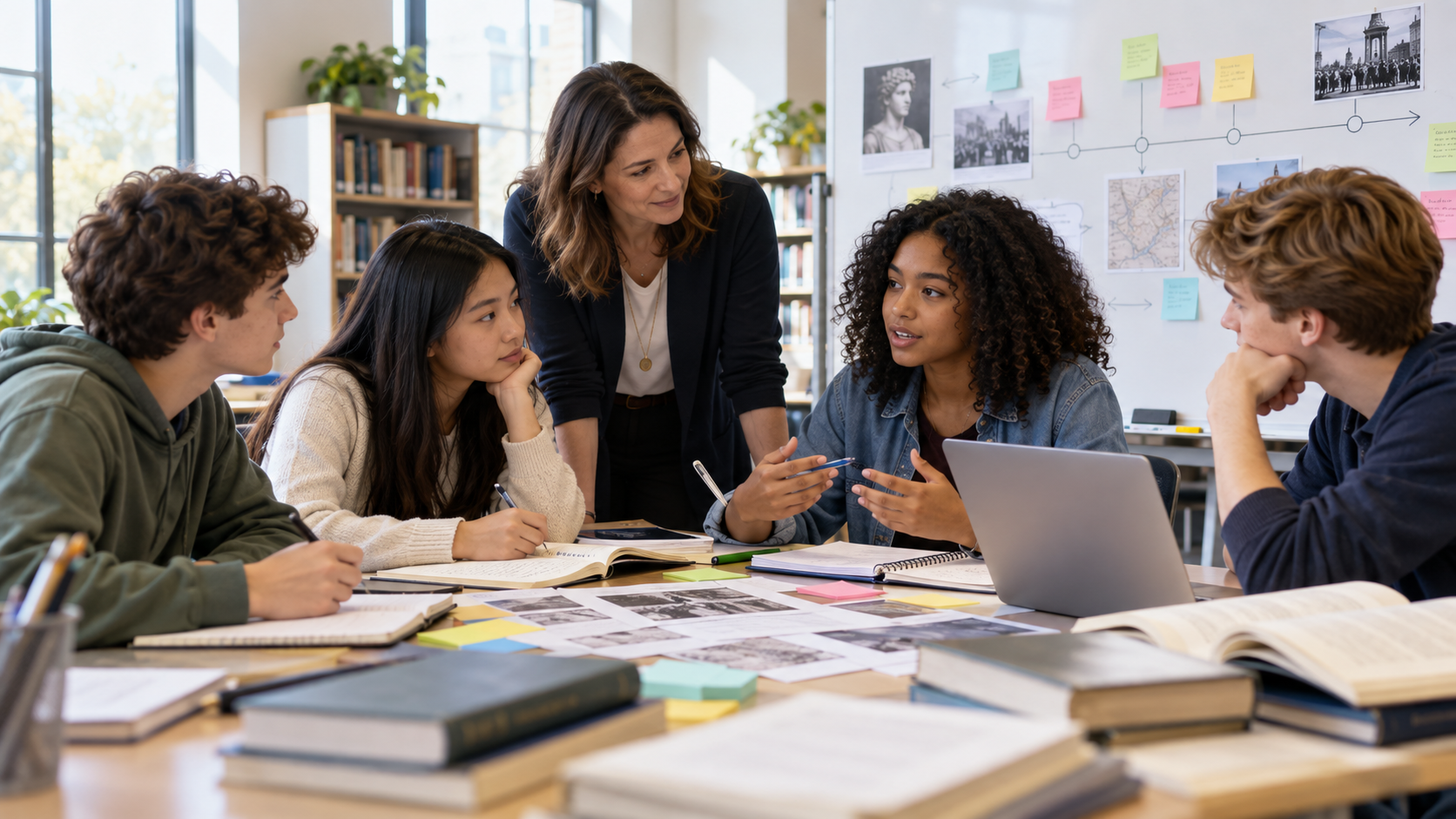
Research teaches students how to start from a question, collect and organise information, analyse evidence and communicate their findings. These skills support critical thinking and help young people become more independent learners.
They are particularly valuable in today’s digital environment, where information circulates rapidly through websites, social media and AI-based tools. Knowing how to check sources, distinguish facts from opinions and question unsupported claims helps students navigate this environment more consciously.
Humanities-based research also gives students the opportunity to investigate topics related to society, history, culture and their communities. Through interviews, surveys, document analysis or other research activities, students learn that complex questions often require different perspectives and careful interpretation.
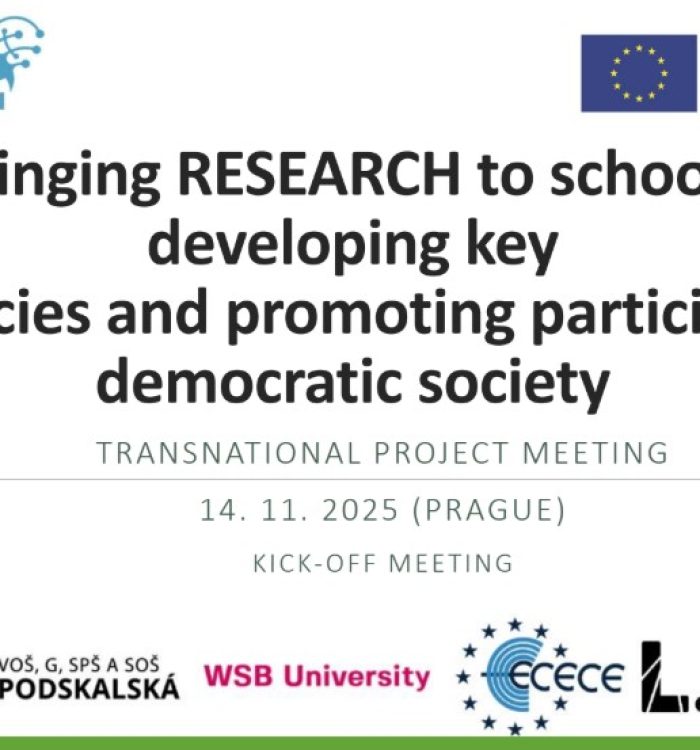
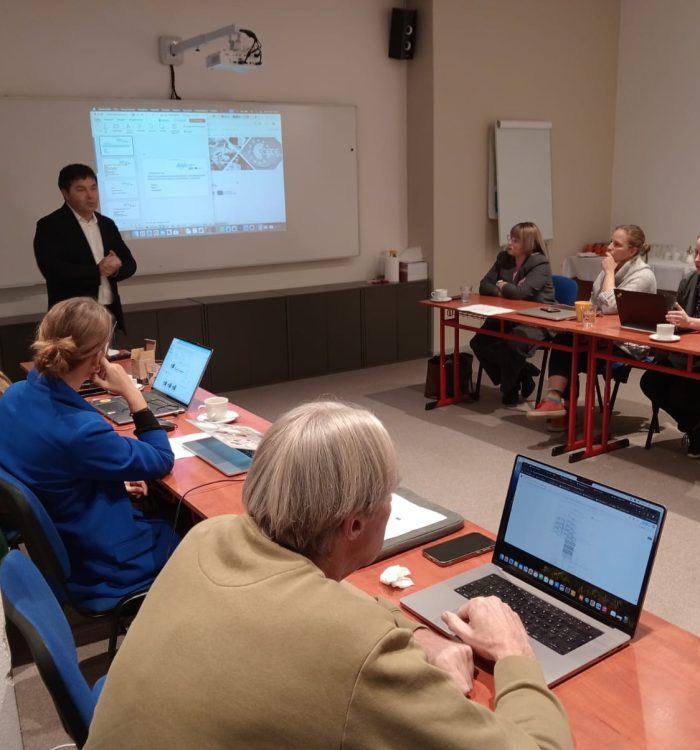
Bringing RESEARCH to schools: developing key competencies and promoting participation in a democratic society, an Erasmus+ Cooperation Partnership in School Education is developing materials giving teachers practical tools and enabling students to develop research, critical thinking, digital, cooperation and communication skills.
If you would like to learn more about the project or explore and test the materials as they become available, you can follow its activities through the project channels: the website and the Facebook page.