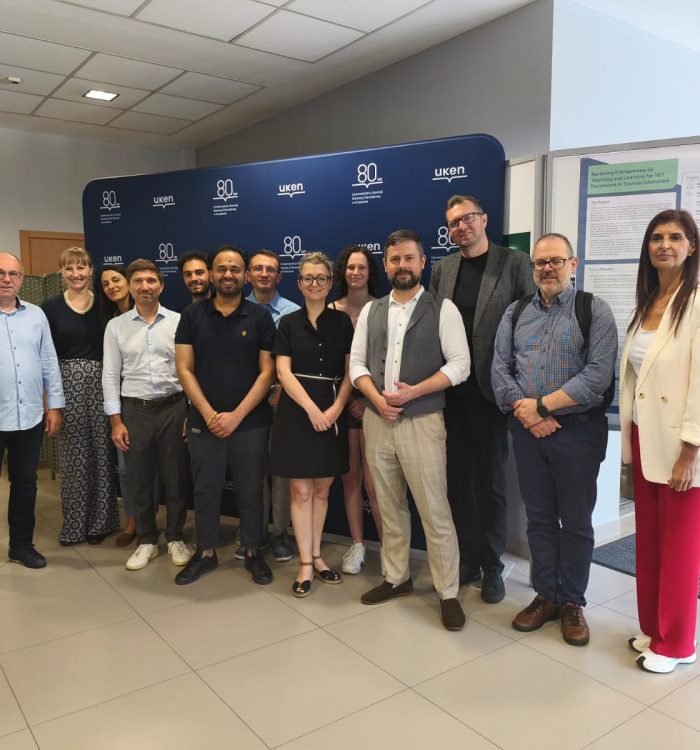
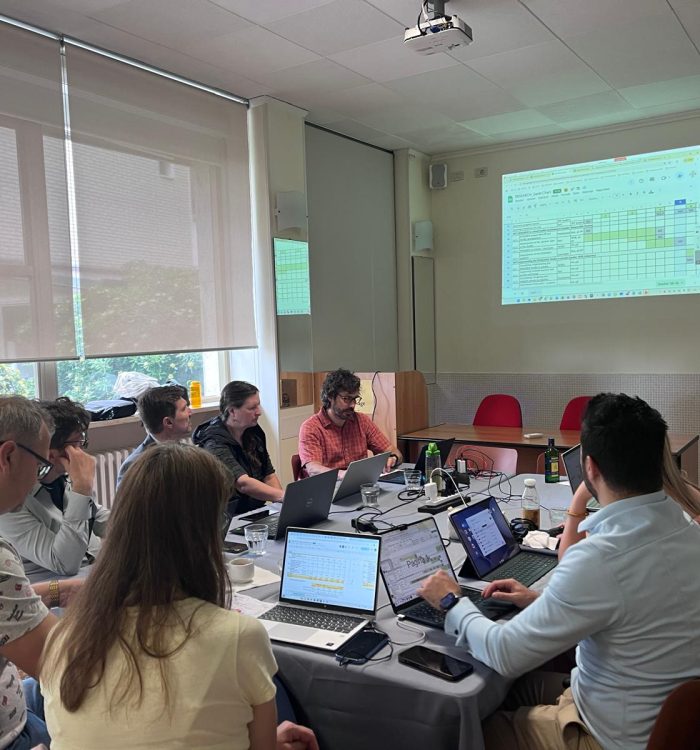
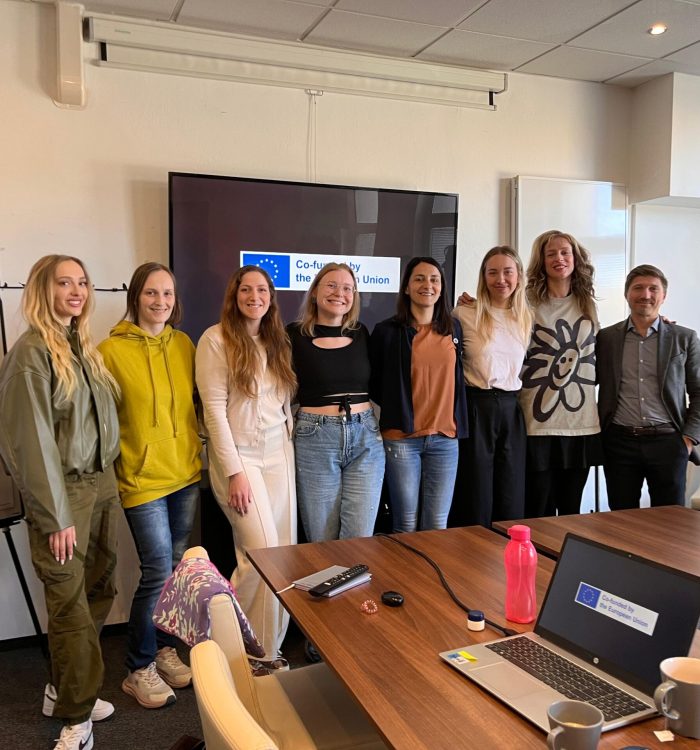
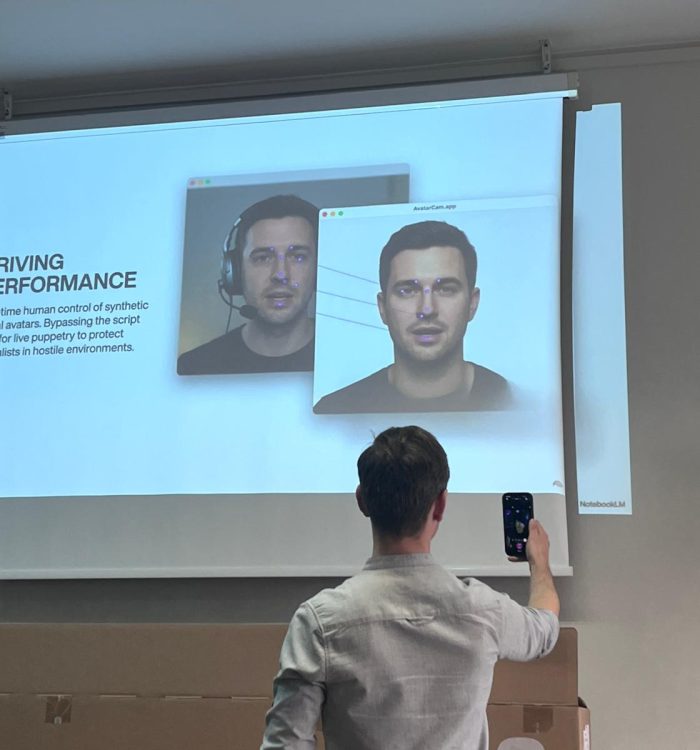
On 19 June 2026, the University of the National Education Commission (UKEN) in Kraków hosted the iStream Final Conference, bringing together academics, educators, researchers, media professionals, technology experts, and members of the project partnership from all participating countries to discuss the future of immersive journalism and its role in higher education.
The conference represented a major milestone for the iStream project and provided an opportunity to present its key achievements, share experiences, and reflect on how journalism education can evolve in response to technological innovation. Throughout the day, participants explored emerging trends in immersive journalism, the changing needs of the media industry, and innovative approaches to teaching and learning in this rapidly evolving field.
The first session focused on the relationship between technological innovation and journalism education. Discussions addressed the evolution of immersive journalism, new opportunities and challenges for the media sector, and the competences required by future media professionals. Particular attention was devoted to the iStream Competence Framework, one of the project’s key results, which defines the knowledge, skills, and competences needed by immersive journalists working in increasingly digital and interactive media environments.
The second session explored the educational dimension of immersive journalism and presented the main resources developed by the project. Participants learned about the iStream Curriculum, a one-year study programme designed for higher education institutions, the iStream Syllabus, which supports teachers in delivering immersive journalism courses, and the iStream Lab Guidelines, which provide practical recommendations for establishing and managing immersive journalism laboratories. The session also presented insights from the pilot testing phase and discussed the future challenges and opportunities facing universities interested in implementing immersive journalism programmes.
A recurring theme throughout the conference was the importance of combining journalism, storytelling, technology, ethics, and user experience within a coherent educational framework. Participants discussed how immersive technologies such as virtual reality, augmented reality, and interactive media are opening new possibilities for storytelling while also requiring new pedagogical approaches and professional competences.
While the conference represented the culmination of many project activities, the work of the partnership continues. Project partners are currently carrying out the pilot testing phase, during which the iStream educational resources are being tested by higher education teachers and students across the partner countries. The feedback collected through this process will contribute to the final refinement and validation of the project’s outputs, ensuring their relevance, usability, and effectiveness in real educational contexts.
At the same time, partner organisations are preparing the final national dissemination events, which will take place in each partner country. These events will showcase the project’s results to educators, researchers, media professionals, policymakers, and other stakeholders, promoting the adoption of the iStream resources and supporting the creation of a sustainable European network around immersive journalism education.
For more information about the iStream project, visit: www.istream-project.eu.